Friendship + Attachment: what Stranger Things teaches us about how friendship shapes connection over time
About a 8-minute read, just right for a cozy corner moment ◡̈ | Find the TL;DR at the bottom! | Note spoilers ahead

Friendship plays a powerful role in how we experience belonging, safety, and connection over time. These relationships often hold shared history, emotional familiarity, and a sense of being known without needing to explain ourselves too much. They can feel grounding and playful, steady and spacious, offering comfort and presence alongside growth and change.
Friendships often support regulation and emotional steadiness not by fixing what’s hard, but by helping us feel less alone inside it. When someone stays present, responds with care, and remains emotionally available, the nervous system often settles, even if the circumstances themselves haven’t changed. Over time, these experiences shape what our bodies come to expect from connection.
Attachment helps us understand this shaping. It gives language to how experiences of being met, missed, supported, or left alone quietly influence the ways we move toward one another, pull back, or stay close in the relationships that matter to us. In long-term friendships especially, attachment doesn’t show up as a static label, but as something that continues to respond to care, repair, distance, and return.
This invites us to look not only at how attachment strategies show up in friendship, but at what becomes possible when those friendships are allowed to stretch, change, and deepen across time.
Attachment Shows Up in Friendship Too
Attachment isn’t something that only belongs to childhood or romantic relationships. It reflects the ongoing ways our nervous systems learned to stay connected when closeness mattered. Friendship, especially the kind that stretches across years, becomes one of the places where these patterns continue to live and move.
Over time, these responses tend to organize into a few familiar strategies:
Secure attachment reflects an expectation that connection can be steady and responsive, that closeness and independence can coexist, and that relationships can stretch, repair, and hold change.
Anxious attachment often reaches toward connection when distance or uncertainty appears, seeking reassurance, contact, or clarity as a way to restore safety.
Avoidant attachment tends to protect connection through space, self-reliance, or emotional containment, especially when closeness feels overwhelming or risky.
Disorganized attachment holds both longing and fear at the same time, shaped by experiences where connection was unpredictable, unsafe, or easily lost.
Because friendships are often more spacious and loosely defined, these strategies can show up quietly. It might look like moving a little closer when something feels uncertain, pulling back to steady ourselves, staying alert to shifts in tone or distance, or feeling relatively grounded even as others change. All of these responses are reaching for the same thing. They are attempts to protect the nervous system, preserve connection, and stay in relationship in the ways that once made sense.
These responses are information, little clues about how connection has been held before and what the body has learned to watch for. In friendship, attachment often shows up in ordinary moments, who reaches out, who waits, who names care, and who hopes it’s felt without needing to be said. Over time, those moments quietly shape what closeness comes to feel like.
How Attachment Evolves Over Time in Friendship
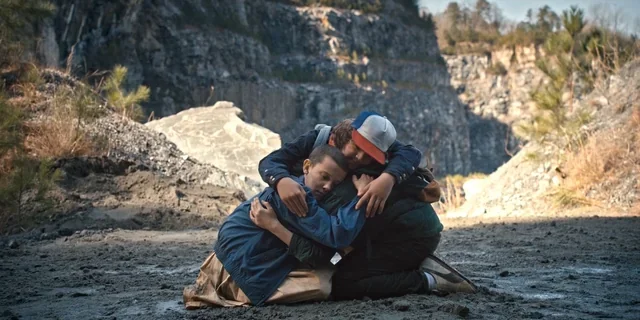
What tends to change over time isn’t our need for connection, but what our nervous systems come to expect from it. Attachment strategies begin to soften when care stays present, when people return after distance, and when repair happens more than once.
In friendship, this often shows up quietly. A message answered when it matters. A misunderstanding talked through instead of left to linger. Someone staying engaged even when things feel awkward, tender, or unfinished. These moments may seem small, but over time they shape what closeness comes to feel like.
Friendships grow steadier not because they stay the same, but because they’re allowed to change. As lives expand and contract, relationships that can adapt tend to feel safer to inhabit. This flexibility creates room for both closeness and space, for connection that doesn’t require constant reassurance and distance that doesn’t threaten the bond.
Most of this change happens gradually. Through repeated experiences of being met, of being missed and found again, of staying connected even when things wobble. These moments accumulate, slowly reshaping what the nervous system believes is possible in relationship.
What the Core Friendships in Stranger Things Show Us
Across its seasons, Stranger Things offers a long-form look at friendship under pressure. The story unfolds over years, shaped by fear, separation, grief, repair, countless Demogorgons, and reunion. What we witness is not just how these characters survive together, but how their ways of relating shift as care becomes more consistent and trust deepens.
Eleven (Jane)
Attachment pattern: Disorganized, moving toward earned secure
Eleven’s friendships show what it can look like to deeply long for connection while still needing to protect autonomy. Her early experiences taught her that closeness could be unpredictable, controlling, or suddenly taken away. Connection matters deeply, and her body stays attentive to cues about whether it will remain safe.
With Mike, Eleven allows tenderness, emotional closeness, and shared vulnerability. This relationship offers something her system hasn’t reliably had before: being chosen as a person rather than valued for usefulness, emotional responsiveness, and care that is named rather than implied. We see this in moments of protection and hiding early on, in emotionally charged reunions after separation, and in times where their bond is spoken aloud rather than assumed. Mike’s anxious leaning toward closeness can feel soothing and anchoring for Eleven, while at times registering as pressure when intensity threatens her sense of autonomy.
Within the group, especially under threat or responsibility, Eleven often minimizes her own needs and takes on danger. Belonging becomes linked to usefulness, and safety is sought through action rather than being held.
When alone or under high emotional pressure, she may pull away, disconnect, or react defensively, particularly when autonomy feels threatened or control is lost.
Across the seasons, what changes for Eleven isn’t her need for connection, but what her nervous system expects from it. Early on, safety is external and uncertain. Over time, moments of borrowed security appear as care becomes more consistent. By later seasons, earned secure tendencies begin to emerge, shaped by relationships that offer choice, repair, and care that stays.
Her story reminds us that disorganization reflects early instability, not incapacity. Security becomes more accessible in pieces, as connection proves it can stay without asking her to disappear.
Mike
Attachment pattern: Anxious, softening toward security
Mike’s friendships show what it can look like to care deeply about connection and to feel unsettled when that connection feels uncertain. His system is oriented toward closeness, reassurance, and emotional clarity, especially in relationships that matter most to him.
With Eleven, Mike moves toward connection quickly and explicitly. He names love, reaches out during separation, and seeks reassurance through contact and shared meaning. This responsiveness offers Eleven a sense of being chosen and emotionally held, while also reflecting Mike’s own need to know where he stands. At times, his urgency can heighten intensity in the relationship, particularly when fear of loss is activated or when distance lingers too long.
Within the group, Mike often takes on the role of emotional anchor. He tracks shifts in connection and works to restore cohesion when things feel off. When conflict or uncertainty appears, his system works harder to pull people back together, sometimes at the cost of his own steadiness.
Across the seasons, what changes for Mike isn’t his desire for closeness, but his tolerance for uncertainty. Early on, distance feels destabilizing and urgent. Over time, especially as repair becomes more familiar and relationships survive rupture, he grows more able to stay connected without collapsing into fear.
Mike’s story reflects how anxious attachment isn’t about being “too much,” but about caring deeply and learning, over time, that closeness doesn’t disappear the moment things feel unclear.
Will
Attachment pattern: Anxious, shaped by prolonged threat, loss, and relational disruption
Will’s friendships reflect a deep sensitivity to connection that formed in the context of fear, separation, and repeated disruptions to safety. His attachment patterns are less about who he is and more about what his nervous system learned when connection was threatened or unpredictable.
Within the group, Will often prioritizes belonging and cohesion. He tracks relational shifts closely and tends to stay attuned to who feels near, who feels distant, and whether connection is intact. This can look like quiet accommodation or holding feelings internally, not because he lacks a sense of self, but because preserving connection has felt essential to safety.
Across the seasons, Will’s attachment softens in the presence of long-term friendship. As care becomes more consistent and his inner world is acknowledged rather than overlooked, his system begins to learn that connection can hold even as people grow and change.
Will’s story reminds us that anxious attachment often develops where connection mattered deeply under stress, and that over time, steady friendship can support a quieter, more secure sense of belonging without compromising parts of oneself.
Max
Attachment pattern: Avoidant-protective, softening over time
Early on, Max maintains distance through humor, independence, and guardedness. Connection happens on her terms, and vulnerability is tightly controlled.
Within the group, she stays engaged while keeping some emotional space, showing care through presence and loyalty rather than disclosure. With Lucas, closeness is present, but she often pulls back when emotions intensify, especially when fear or conflict enters the relationship.
As the seasons unfold, stress and grief deepen these protective strategies. Pulling away becomes less about preference and more about survival, a way to manage feelings that feel too heavy to share. Even then, her connection to the group remains intact, held through shared history and consistent presence rather than emotional openness.
Across time, something begins to shift. Through friendships that stay steady without demanding vulnerability, Max slowly allows herself to be met again. By the final episodes, she shows a growing capacity to receive care, not all at once, but in moments, letting connection exist without needing to control it or retreat from it.
Max’s story reminds us that avoidant strategies often form out of necessity, not disinterest. Over time, long-term friendship can soften protection, allowing closeness to feel less overwhelming and more survivable, even when echoes of distance still surface.
Lucas
Attachment pattern: Generally secure, stretching under relational stress
Lucas’s friendships are often marked by steadiness, loyalty, and a grounded ability to stay engaged even when things are difficult. His system generally trusts that connection can hold difference, disagreement, and repair.
Within the group, Lucas frequently acts as a bridge. He challenges when needed, stays present through conflict, and remains connected even when others polarize or pull away. His security shows up as flexibility, the ability to move between closeness and autonomy without losing the bond.
With Max, his attachment stretches under strain. When she pulls back or becomes emotionally unavailable, Lucas moves closer, seeking reassurance and working to restore connection. These moments reflect care rather than collapse, his system adapting in response to threat rather than losing its footing.
Across the seasons, Lucas’s security deepens as he learns to tolerate uncertainty without abandoning himself or his relationships. Through continued communication, repair, and mutual care, he grows more able to stay connected without forcing resolution.
His story reminds us that secure attachment is not about being unaffected, but about having enough support to remain engaged and find our way back.
Dustin
Attachment pattern: Secure, with grief-activated protection
Dustin’s friendships are largely shaped by ease, curiosity, and trust in connection. His system expects relationships to be responsive and mutual, allowing him to move toward others with openness rather than fear.
Within the group, Dustin shows a strong capacity for reciprocity and shared meaning. He seeks connection through humor, loyalty, and collaboration, staying emotionally engaged without needing constant reassurance. With Steve especially, the bond feels steady and dependable, grounded in mutual care rather than urgency.
When Eddie dies, Dustin’s attachment shifts. Rather than leaning in, he pulls away. Grief overwhelms his usual openness, and distance becomes a way to contain pain that feels too heavy to bring into the group. This withdrawal is not a loss of security, but a protective pause, his system creating space to survive what cannot yet be shared.
Across the seasons, Dustin’s security re-emerges through continued belonging and relationships that do not disappear during his quiet. As grief is slowly witnessed and honored, connection becomes accessible again.
His story reminds us that secure attachment does not mean always reaching out, but knowing that connection remains available when we are ready to return.
In the Be.coming
Over the span of the series, Stranger Things ultimately shows us not just survival, but change shaped slowly through relationship and time. Across years of fear, separation, repair, and reunion, we watch how consistent care reshapes what connection feels like. Attachment doesn’t hold one form forever. It widens as new experiences of being met are layered in.
This doesn’t mean earlier strategies won’t resurface. Even as these characters lean toward more secure ways of relating, echoes of anxiety, withdrawal, or self-protection still appear, especially during stress or grief. What shifts is the presence of choice, awareness, and repair, more room to pause, to name what’s happening, and to find one another again when things feel off.
The final season offers something familiar to real life. Not a perfectly tied ending, but a picture of connection that is layered and ongoing. Moments of joy sit alongside grief. Distance exists alongside deep bonds. What’s been learned in friendship, how to trust, how to repair, how to stay connected even imperfectly, becomes something that can be carried forward. It reminds us that becoming with each other and attachment styles aren’t about arriving somewhere finished. It’s about continuing to grow, relate, and connect with a little more space than before.
For Those That Need The TL;DR

Friendship + Attachment
Friendships shape how we experience belonging, safety, and connection, often supporting regulation by helping us feel less alone. Attachment helps explain this by describing how our nervous systems learned to stay connected when closeness mattered and safety was uncertain. In long-term friendships, attachment isn’t static, it continues to shift in response to care, repair, distance, and return.
Attachment Shows Up in Friendship Too
Attachment reflects the ways our nervous systems learned to stay connected when closeness mattered and safety wasn’t always guaranteed. In friendship, secure, anxious, avoidant, and disorganized strategies show up in ordinary moments like who reaches out, who waits, and how care is named or hoped for. These responses aren’t problems to fix, but information about how connection has been held before.
TL;DR — How Attachment Evolves Over Time in Friendship
What changes over time isn’t our need for connection, but what our nervous systems come to expect from it. Attachment softens when care stays present, people return after distance, and repair happens more than once. These small, repeated moments gradually reshape what closeness comes to feel like.
TL;DR — What the Core Friendships in Stranger Things Show Us
Across its seasons, Stranger Things offers a long-form look at friendship under pressure. What we witness is not just how these characters survive together, but how their ways of relating shift as care becomes more consistent and trust deepens.
Eleven begins with disorganized attachment shaped by instability; consistent care and choice help her move toward earned security.
Mike starts from anxious attachment; repeated repair helps him tolerate uncertainty without losing connection.
Will carries anxious attachment shaped by loss; being acknowledged without pressure supports a growing sense of safety.
Max begins protectively avoidant; patient, non-intrusive care allows her to slowly open toward connection.
Lucas starts mostly secure; stress pulls him toward anxiety, but repair brings him back to steadiness.
Dustin begins secure; grief temporarily pulls him inward, and ongoing belonging helps security re-anchor.
TL;DR — In the Be.coming
Across time, consistent friendship reshapes what connection feels like, even though earlier strategies may still echo. Security grows through choice, awareness, and repair, not perfection. Becoming isn’t about arriving somewhere finished, but about continuing to relate with a little more space and steadiness than before.
Gentle Reminder
This blog is meant to be educational and it is not a replacement for therapy or professional care. If something here stirs big feelings, I encourage you to bring it to a trusted therapist or support in your community. You do not have to sort through it all alone.